
When students and parents mention “top universities” in the United States, the conversation almost always turns to the Ivy League. As a high school career counselor, I see the fascination every year—the belief that admission to an elite institution is the ultimate validation of hard work and intelligence. While the Ivy League and other top universities do offer extraordinary opportunities, it is important to understand what they truly represent, what they demand from students, and how they fit into the broader picture of higher education and long-term success.
The goal of this discussion is not to glorify prestige, but to explain what makes these institutions unique, who thrives in them, and how students should realistically think about aiming for such universities.
What the Ivy League Really Is
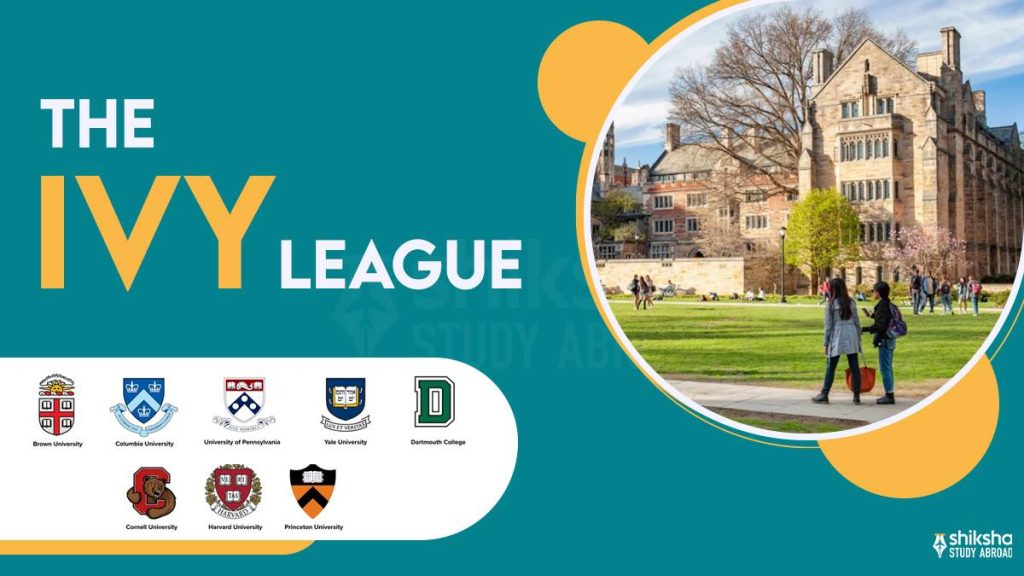
The Ivy League is not a ranking or a guarantee of quality in every field. It is an athletic conference that consists of eight private universities in the northeastern United States. Over time, these institutions developed reputations for academic excellence, selective admissions, and influential alumni networks.
What truly defines Ivy League universities is their long academic history, strong endowments, and deep integration of teaching, research, and global influence. These universities are not just places of instruction; they are centers where policy, research, culture, and leadership intersect.
However, I often remind students that “Ivy League” does not automatically mean “best for everyone.” Each Ivy League university has its own academic culture, strengths, and expectations, and they are not interchangeable.
Beyond the Ivy League: What Are “Top Universities”?
Many outstanding universities in the USA are not part of the Ivy League but are considered equally prestigious, and in some fields, even stronger. These include leading private and public research universities known for academic rigor, innovation, and global impact.
From a counselor’s viewpoint, “top universities” share certain characteristics: highly selective admissions, strong faculty, extensive research opportunities, and graduates who go on to leadership roles in many fields. What differs is the environment—some are urban, some suburban; some are intensely competitive, others collaborative.
Students often assume that success is limited to a small group of elite schools. In reality, excellence in US higher education is widely distributed.
What Makes These Universities Academically Different
At Ivy League and top universities, learning goes far beyond textbooks and lectures. Students are often taught by professors who are leaders in their fields, actively involved in research that shapes global conversations. Class discussions tend to be fast-paced, analytical, and demanding, with an expectation that students come prepared not just to absorb information but to challenge ideas.
These institutions emphasize independent thinking. Students are encouraged to ask difficult questions, pursue original research, and engage deeply with complex problems. This can be incredibly rewarding, but it can also be intellectually intense, especially for students who are not used to this level of academic pressure.
Admissions: What Counselors See Behind the Scenes
One of the most misunderstood aspects of Ivy League and top university admissions is the idea of “perfect students.” From years of advising applicants, I can say that admissions committees are not simply looking for flawless grades and test scores. They are trying to build a diverse academic community.
Strong academic performance is essential, but it is only the starting point. What distinguishes admitted students is often intellectual curiosity, depth of interest, initiative, and the ability to contribute meaningfully to campus life. Universities want students who will engage fully with opportunities and challenges, not just those who look impressive on paper.
This is why I caution students against building their entire identity around getting into a particular elite university. The process is highly competitive, and many outstanding students are turned away simply due to limited space.
Campus Culture and Student Life
Life at Ivy League and top universities can be exhilarating and demanding at the same time. Students are surrounded by peers who are highly motivated and accomplished, which can be inspiring but also intimidating. The pace is fast, expectations are high, and self-discipline becomes essential.
At the same time, these campuses offer extraordinary resources. Students can attend lectures by world leaders, participate in cutting-edge research, and access global networks that last a lifetime. The challenge is learning how to manage pressure, competition, and self-expectation in such environments.
From a counselor’s perspective, students who thrive are not necessarily the most competitive, but those who are resilient, curious, and open to growth.
Career and Graduate School Outcomes
Graduates of Ivy League and top universities often benefit from strong name recognition and extensive alumni networks. This can open doors, particularly in fields such as finance, consulting, academia, law, and public policy. However, the university name alone does not guarantee success.
Employers and graduate schools look closely at what students actually did during their time in college—research, internships, leadership roles, and personal projects. I regularly remind students that opportunities at elite universities are abundant, but it is up to the student to actively engage with them.
The Financial Reality
Another important conversation I have with families is about cost. Ivy League universities are private and expensive, but they also tend to offer generous need-based financial aid. For some families, an Ivy League education may be more affordable than a public university after aid is applied.
That said, affordability depends on individual circumstances, and students should approach this aspect with clear-eyed realism rather than assumptions.
A Counselor’s Honest Advice
As a career counselor, my role is to help students aim high without losing perspective. Ivy League and top universities can be wonderful places for the right students, but they are not the only path to success, fulfillment, or impact.
Students should focus less on labels and more on fit—academic style, campus culture, available support, and personal goals. A motivated student at a well-matched institution will almost always outperform a disengaged student at a prestigious one.
Final Reflection
The Ivy League and other top universities occupy a powerful place in the imagination of students around the world. They represent opportunity, excellence, and influence. But they are not destinations in themselves; they are environments that amplify a student’s effort, curiosity, and commitment.
The most successful students I have advised are those who understand this truth early. They pursue excellence wherever they are, make the most of available resources, and define success not by the name of the institution, but by the growth they experience and the contributions they go on to make.