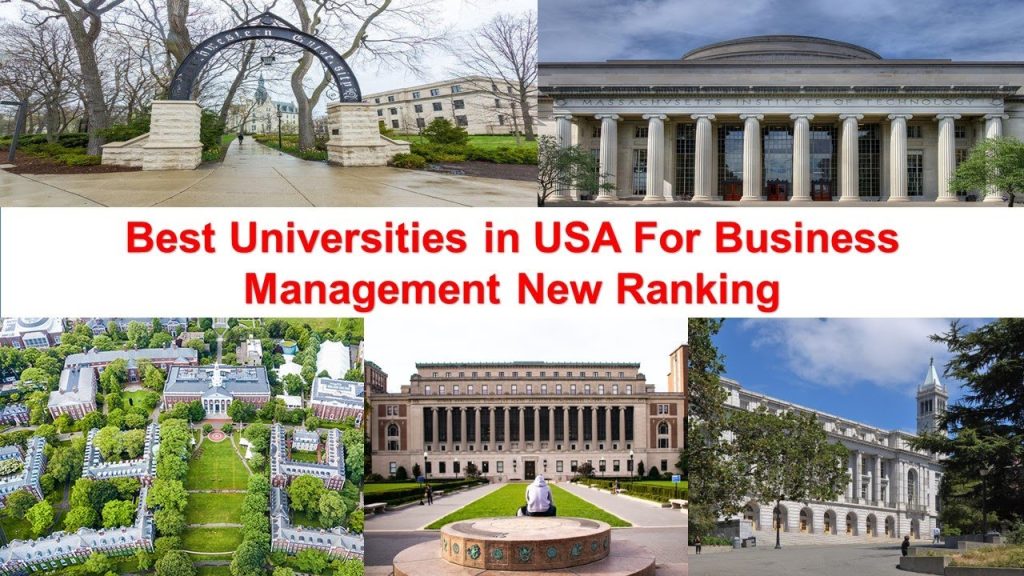

As a career counselor, I meet many students who say they want to “study business” but are not always sure what that truly means. Some imagine boardrooms and startups, others think of finance, marketing, or simply the promise of stable careers. In the United States, Business and Management education is broad, practical, and closely connected to the real world. When approached with clarity and intention, it can be a powerful foundation for leadership, entrepreneurship, and long-term professional growth.
Business is not just about making money. At its core, it is about understanding how organizations work, how decisions are made, how people are led, and how value is created in a changing economy.
What Business & Management Mean in US Colleges
In the US education system, Business and Management programs focus on how organizations operate and grow. Students learn about markets, finance, strategy, operations, leadership, and ethics. These programs are offered both as standalone business degrees and as majors within broader colleges and universities.
One important thing I explain to students is that undergraduate business education in the USA is not meant to make you an expert overnight. It is meant to give you a strong foundation, practical exposure, and the ability to adapt as industries evolve.
Business programs often emphasize teamwork, case studies, presentations, and problem-solving. Students are encouraged to think like decision-makers rather than passive learners.
Common Business & Management Majors
Business and Management include many specializations, and students often discover their preferences after taking introductory courses. Business Administration provides a broad overview of how organizations function. Finance focuses on money management, investments, and financial decision-making. Marketing explores consumer behavior, branding, and communication. Accounting deals with financial reporting and compliance. Management and entrepreneurship focus on leadership, strategy, and innovation.
I advise students not to rush specialization too early. The US system allows exploration, and many successful professionals build careers by combining business knowledge with other interests such as technology, healthcare, or the arts.
Career Paths and Opportunities
One reason Business and Management remain popular is the wide range of careers they support. Graduates work in corporate roles, startups, family businesses, nonprofits, consulting firms, banks, and government organizations. Some pursue entrepreneurship, while others use business skills in fields like media, education, or public service.
From a counselor’s perspective, business degrees are most effective when students actively build experience alongside academics. Internships, part-time jobs, campus leadership roles, and real-world projects matter greatly. Employers want graduates who understand theory but can also apply it.
Best Colleges for Business & Management in the USA
The USA has many excellent institutions for business education, and quality is not limited to one type of college. Large research universities often have well-known business schools with strong corporate connections and internship pipelines. Some private universities are known for innovation, entrepreneurship, and global business exposure. Public universities, especially flagship state institutions, offer strong business programs with good return on investment.
I also remind students that some liberal arts colleges do not offer traditional business majors but provide strong economics or management programs. These can be excellent preparation for business careers, especially when combined with internships or graduate study.
Choosing the “best” college depends on teaching quality, industry connections, location, class size, and personal fit—not just rankings.
What Admissions Committees Look For
Business and Management programs look for students who show initiative, responsibility, and an interest in leadership or problem-solving. Strong academic performance, especially in mathematics, economics, and writing, is important.
Extracurricular activities matter, but not in a superficial way. Running a small project, leading a school club, managing an event, or even working part-time can demonstrate real-world skills and maturity. Admissions committees value evidence that a student understands responsibility and teamwork.
Essays are an opportunity for students to explain why business interests them and how they see themselves growing through the program. I encourage honesty and reflection rather than ambitious but vague statements.
How to Prepare in High School
Preparation for Business and Management begins with building a strong academic base. Math skills are important, but so are communication skills. Students should practice writing clearly, speaking confidently, and analyzing information.
Outside the classroom, students can explore business thinking in many ways—starting small initiatives, volunteering in organizational roles, learning basic financial literacy, or simply observing how businesses operate in their communities.
What matters most is curiosity and initiative, not early perfection.
The Importance of Internships and Experiential Learning
Business education in the USA is closely tied to experience. Many colleges actively support internships, consulting projects, case competitions, and entrepreneurship programs. These experiences help students understand workplace dynamics and clarify career interests.
As a counselor, I emphasize that students should not wait until senior year to seek experience. Early exposure helps students make better academic and career decisions.
Ethics, Leadership, and Responsibility
Modern business education places increasing emphasis on ethics, sustainability, and social responsibility. Colleges want to prepare leaders who understand the broader impact of their decisions.
I often remind students that the most respected business leaders are those who combine competence with integrity. Business programs that emphasize ethics and leadership development are especially valuable.
Balancing Practicality with Personal Values
One challenge students face is balancing financial goals with personal values. Business and Management programs offer many paths, and not all lead to the same lifestyle or impact.
I encourage students to reflect on what kind of work environment they want, how they define success, and what kind of contribution they hope to make. Business education should support those goals, not replace them.
Final Thoughts from a Career Counselor
Business and Management in the USA offer more than job preparation. They provide a way of understanding how ideas become reality, how people work together, and how change is created within organizations.
For students who are curious about leadership, problem-solving, and real-world impact, business education can be both practical and deeply rewarding. With thoughtful preparation, active engagement, and a clear sense of purpose, a Business or Management degree can open doors across industries and throughout a lifetime.